
Leaf & Nut Leis
Assemble your own custom arrangement of tropical flowers! Our Leaf & Nut Leis are harvested fresh from the farm! All our Leaf & Nut Leis are carefully packed with paper, boxed and shipped overnight to your door.
| Image | Name | Summary | Price | Buy | hf:categories |
|---|---|---|---|---|---|
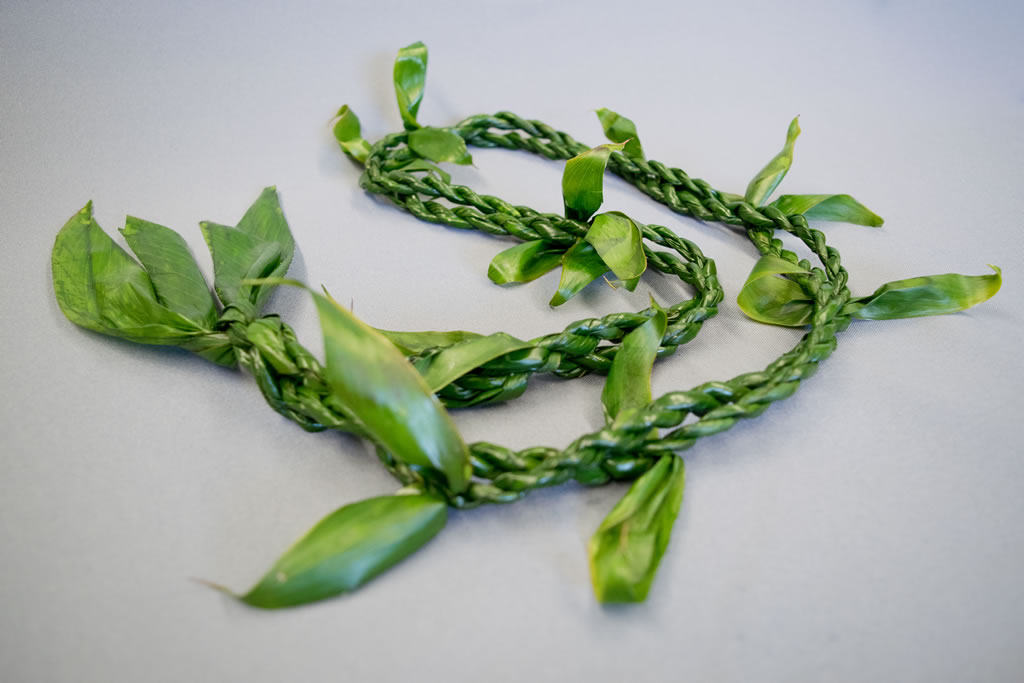 | Double Ti Leaf Lei | Lei made from double strands of twisted green or variegated ti leaves | $21.95 | | leis leaf-nut-leis |
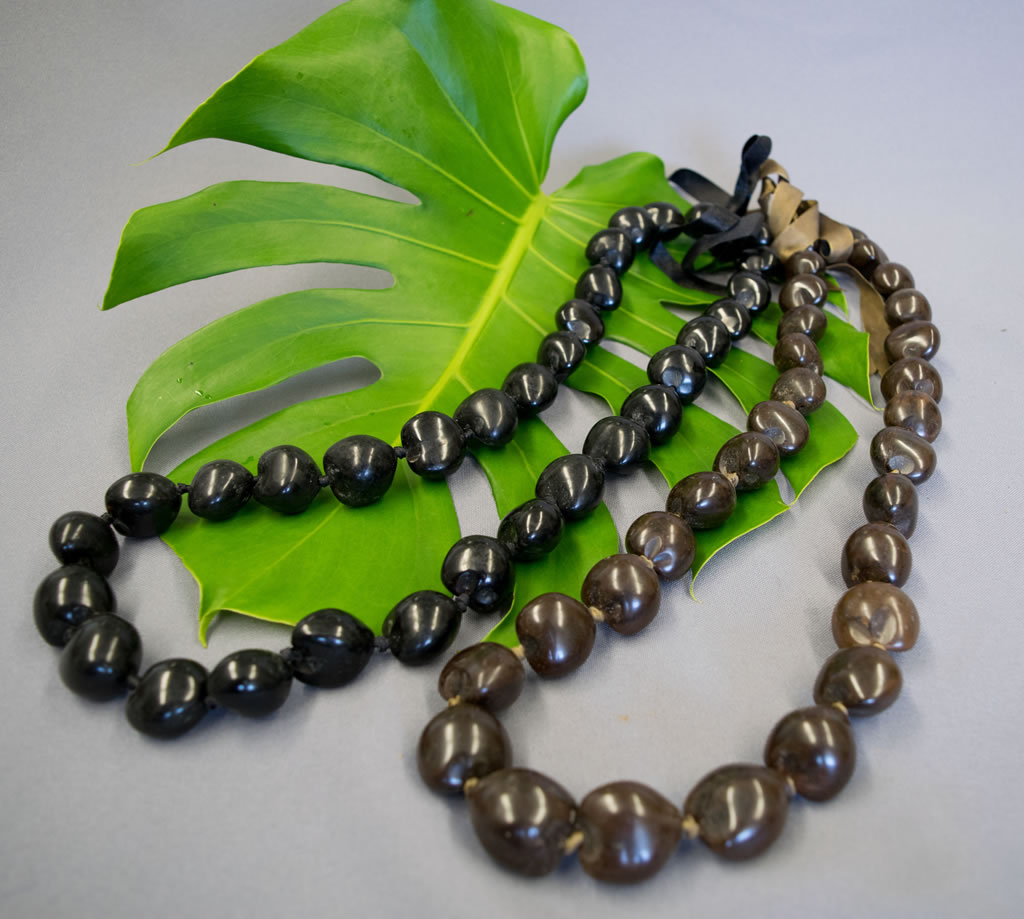 | Kukui Nut Lei | Polished Kukui nuts on knotted ribbon with ribbon ties | $14.95 | | leis leaf-nut-leis |
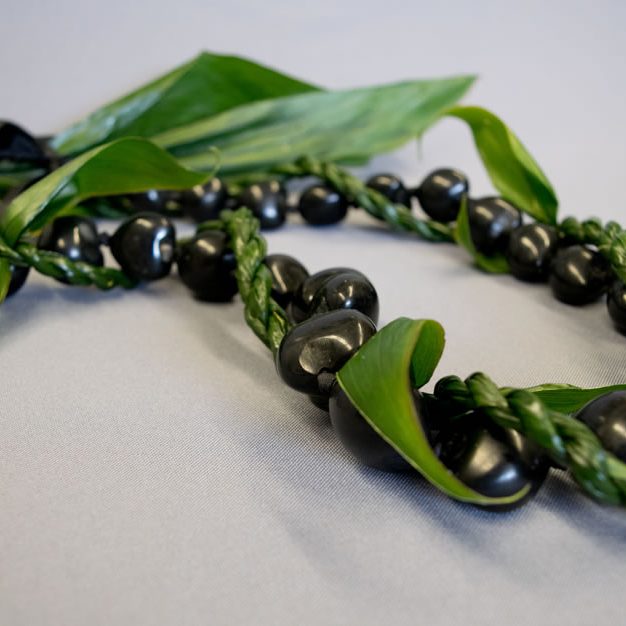
 | Kukui Nut with Ti Wrap Lei | Polished Kukui nuts on knotted ribbon with ribbon ties wrapped with a twisted ti lei | $18.95 | | leis leaf-nut-leis |
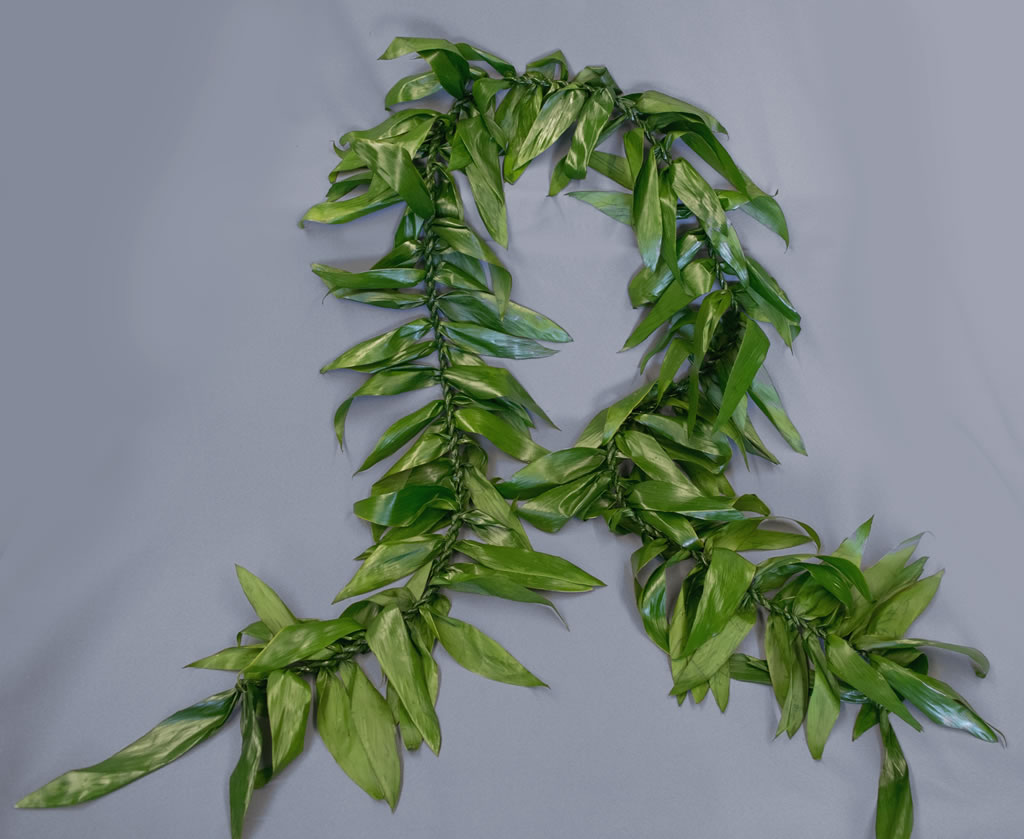 | Maile-style Ti Leaf Lei | Traditional and lasts and travels better than maile! A sustainable alternative to Maile! | $49.95 | | dendrobium-leis leis leaf-nut-leis special-occasion-leis |
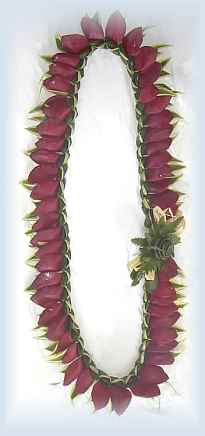 | Red Ginger Song of India Lei | Flat lei – Fancy, colorful and light | $34.95 | | leis leaf-nut-leis special-occasion-leis |
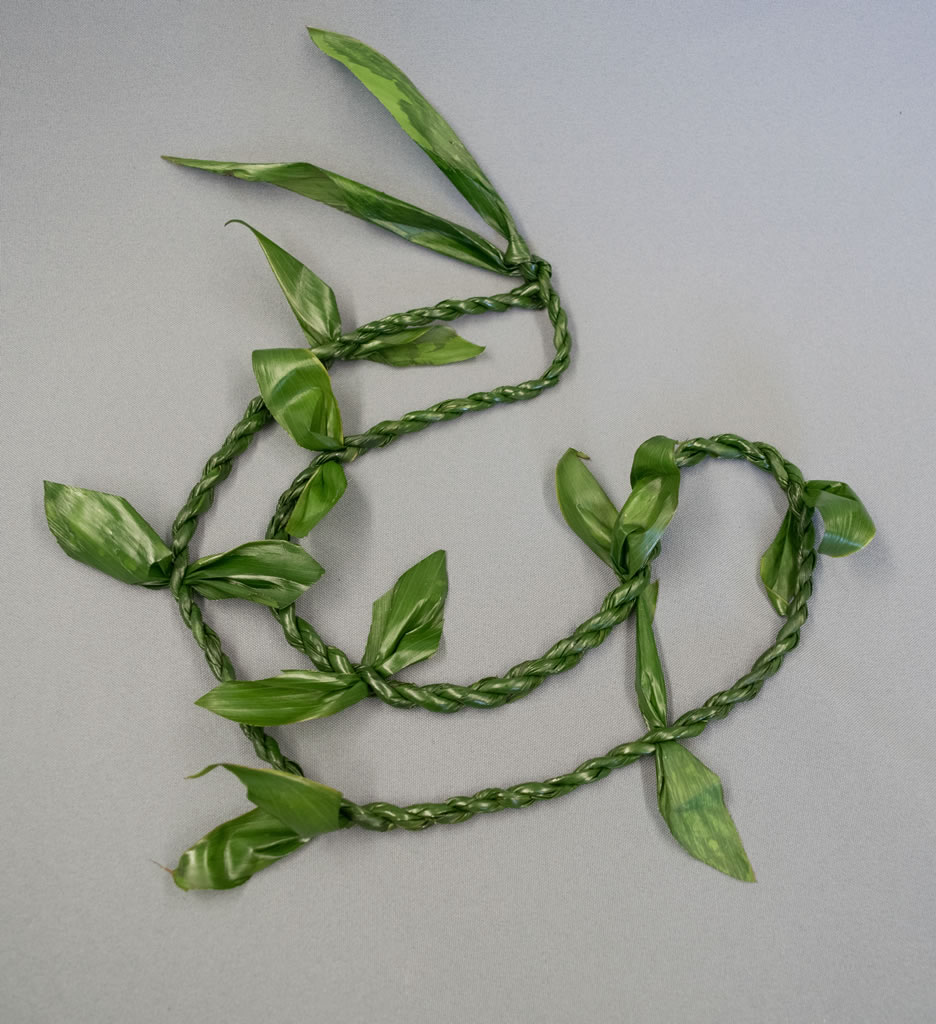 | Single Ti Leaf Lei | Lei made from twisted green or variegated ti leaves | $12.00 | | leis leaf-nut-leis |
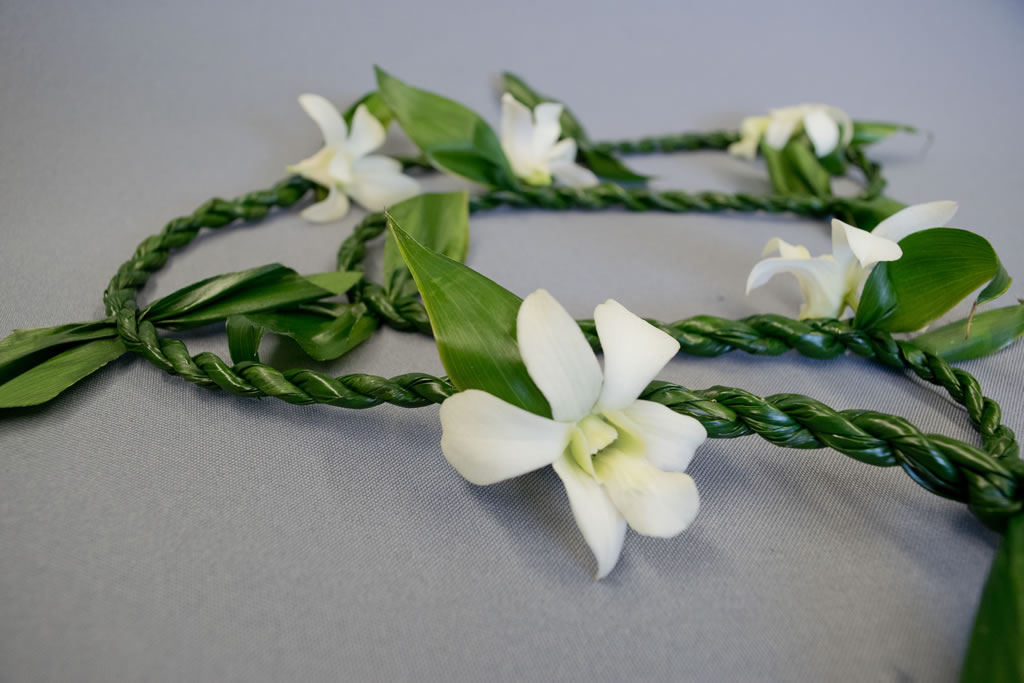 | Single Ti Leaf Lei with Orchid Accents | Lei made from twisted green or variegated ti leaves and accented with dendrobium orchids | $18.95 | | dendrobium-leis leis leaf-nut-leis |